Sedation Dentistry
Sedation dentistry keeps you comfortable during dental procedures. It’s beneficial for people in many types of situations. Options for sedation in our office include nitrous oxide, oral conscious sedation and intravenous (IV) sedation. Dentists must have special certification to provide some forms of sedation dentistry.
What is Sedation Dentistry?
Sedation dentistry helps you feel calm, relaxed and at ease during dental procedures. It’s a moderate level of sedation, so you’re still technically awake but feeling very carefree. It’s sometimes called conscious sedation dentistry or “twilight sleep” because it creates a state of short-term amnesia (forgetfulness) where you experience insensitivity to pain without the loss of consciousness.
Who Benefits From Sedation Dentistry?
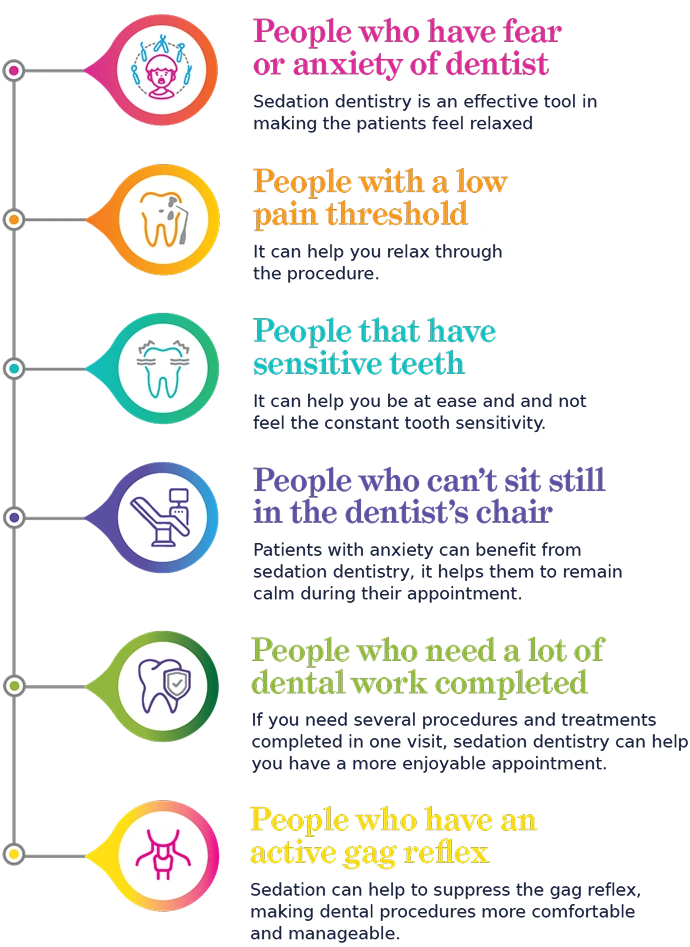
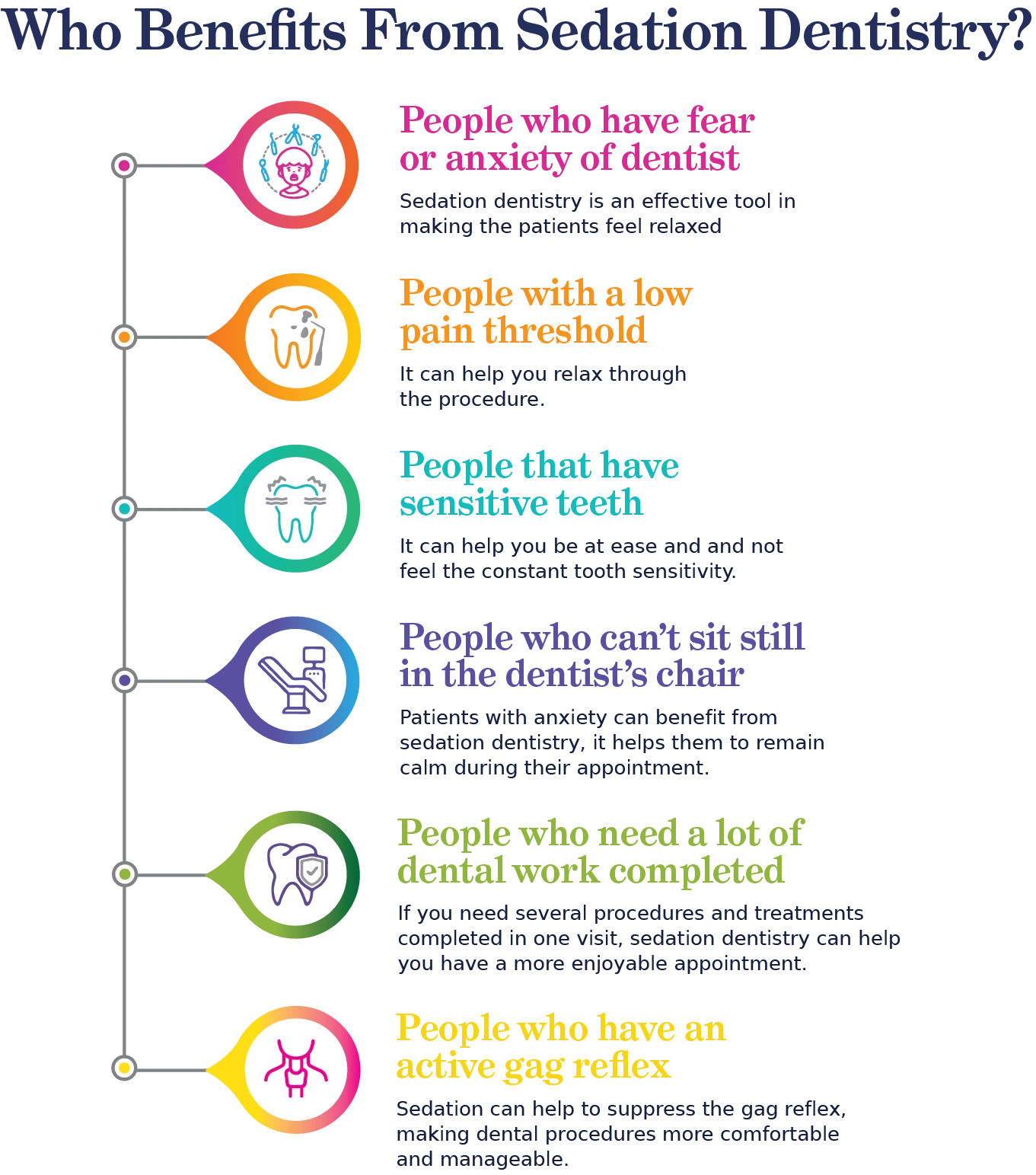
People of all ages can benefit from sedation dentistry. Dentists often recommend this option for those with:
- Large or lengthy procedures.
- Dental anxiety.
- A fear of visiting the dentist.
- An overly sensitive gag reflex.
- A fear of needles (aichmophobia).
- Extreme teeth sensitivity.
- Feelings of claustrophobia while in the dental chair.
- Decreased sensitivity to local anesthesia.
- Difficulty controlling movements.
Sedation Options at Collins Dental
We offer three types of sedation in our office.
Sedation dentistry offers different levels of sedation tailored to your specific needs. Factors such as your anxiety level, the duration of your procedure, your health history, and personal preferences all play a role in determining the best option. The most common types of sedation include nitrous oxide, oral conscious sedation, and intravenous (IV) sedation.
1. Nitrous oxide (suitable for children aged 5 and older)
Nitrous oxide, commonly referred to as “laughing gas,” is a mild sedative used during dental procedures to help patients relax. It is administered through a mask or nosepiece, and its calming effects typically begin within three to five minutes. Throughout the procedure, your dentist carefully adjusts the dosage to ensure optimal comfort.
At the end of the treatment, pure oxygen is provided to flush the nitrous oxide from your system. Since the gas dissipates quickly, you can resume your daily activities, including driving yourself home, shortly after the procedure.
2. Oral conscious sedation (For patients who are eligible and aged 18 years or older)
With oral conscious sedation, your dentist administers a sedative medication, typically in pill form, around an hour before your procedure begins. The most commonly used medication is triazolam (Halcion®), a member of the same family of medications like Diazepam (Valium®) or Atavan (Xanax).
This form of sedation often makes you feel very drowsy, and you may even fall asleep during the procedure. However, you will remain responsive and can communicate with your dentist if needed. You can be gently awakened if necessary. Since oral sedation temporarily impairs memory and motor skills, it is essential to have a responsible adult accompany you to the appointment, stay with you during the procedure, and drive you home afterward.
3. Intravenous (IV) sedation (For patients who are eligible and aged 18 years or older)
IV sedation dentistry is the deepest level of conscious sedation available in a dental office. Sedative medications are delivered directly into your bloodstream through an IV line, allowing them to take effect quickly. During the procedure, your dentist closely monitors vital signs such as heart rate, blood pressure, and oxygen levels, adjusting the dosage as needed. Reversal medications can also be administered if necessary.
Most patients under IV sedation feel extremely relaxed, often falling asleep and retaining little to no memory of the procedure afterward. This option is ideal for individuals with severe dental anxiety or those undergoing lengthy or complex treatments. Due to its effects on memory and motor skills, you’ll need a responsible adult over 18 years old to accompany you during the procedure, drive you home, and stay with you for up to 24 hours post-treatment.
General anesthesia is not administered in our office
General anesthesia is typically used in a hospital or ambulatory surgery center for specific cases, such as treating young children, or individuals with severe dental anxiety. Unlike conscious sedation, general anesthesia renders the patient unconscious, providing a deeper level of sedation.
At Collins Dental, We Don’t Want You to Be Afraid of the Dentist!
Details of the Procedure
What happens before sedation dentistry?
During your initial consultation for sedation dentistry, your dentist will review your health history and discuss any medications or supplements you are currently taking. Based on this information, they will recommend the most suitable sedation option tailored to your needs.
In most cases, you will be advised to avoid eating or drinking for at least six hours before your appointment. Unless instructed otherwise, you should continue taking your routine medications as usual. However, if you are on blood thinners like warfarin, inform your dentist, as they may recommend pausing these medications a few days prior to the procedure.
What happens during sedation dentistry?
Your dentist administers sedative medications before starting the procedure, helping you feel relaxed and comfortable. Once you are in a calm state, your dentist will typically apply a local anesthetic to numb your teeth and gums, ensuring that you remain pain-free throughout the treatment.
What happens after sedation dentistry?
If you opt for sedation other than nitrous oxide, it is essential to arrange for a trusted friend or family member to drive you home after your appointment. Once you arrive home, rest until the sedative medication has fully worn off.
Important Safety Note: Avoid using taxis or rideshare services after sedation dentistry. Instead, rely on a trusted and familiar person to assist you.
Never Been a Fan of the Dentist
Risks / Benefits
What are the benefits of sedation dentistry?
Sedation dentistry is designed to alleviate anxieties and phobias, ensuring that you remain calm and comfortable throughout dental procedures. By allowing your dentist to work more efficiently, sedation can often reduce the number of appointments needed. Moreover, for those who avoid dental visits due to severe anxiety, sedation dentistry provides a solution, enabling them to receive the necessary care in a more relaxed state.
What are the potential risks and complications associated with sedation dentistry?
Sedation dentistry is generally safe when performed by a licensed healthcare provider, but it carries a small risk of complications. Short-term risks include:
- Lingering drowsiness.
- Unpredictable effects of oral sedation medications.
- Dry mouth (xerostomia).
- Nausea and vomiting.
- Headaches.
- Bruising from IV administration.
In rare cases, individuals may experience allergic reactions to the sedative medications. Fortunately, there are drugs available to counteract these side effects if they occur.
Is sedation dentistry safe for pregnant women?
Sedation dentistry is typically not recommended for pregnant women due to concerns that certain sedative medications may impact fetal development. However, in some cases, nitrous oxide might be used during the second trimester. Generally, most dentists prefer to postpone sedation dentistry until after pregnancy.
Visit Collins Dental to See How IV Sedation Can Change Your Life!
Recovery and Outlook
How long is the recovery period?
Recovery times from sedation can vary significantly depending on the type of sedation used and individual responses to the medication. Generally, patients who receive nitrous oxide can recover within 15 to 30 minutes and are often able to drive themselves home after their appointment. In contrast, those who opt for oral conscious sedation or IV sedation typically require around 24 hours for a full recovery.
When can I resume work or school?
If you have received nitrous oxide, you can resume normal activities immediately after leaving the dental office. However, if you have been administered oral or intravenous sedatives, it is generally recommended to wait at least 24 hours before returning to work or school. The recovery time may vary for some individuals, so it’s best to consult with your dentist for personalized advice.
When is it safe for me to drive?
If you have received oral or IV sedation, it is necessary to wait at least 24 hours before driving again. However, if you have only been administered nitrous oxide, you can drive as soon as you are released from the dental office.
When is it safe for me to eat?
You can eat and drink immediately after your appointment, but many people prefer to wait until the numbness from the local anesthesia has worn off. It’s advisable to start with light options like clear liquids, then gradually move to smoothies or milkshakes. If you feel comfortable, you can have something more substantial after a couple of hours.
Your dentist will provide personalized postoperative guidelines, which will outline the types of food to avoid and those that are safe to consume. Generally, you can return to eating normally within a week after most dental procedures. However, if you’ve had work done on both sides of your mouth, it may take a bit longer.
When To Call the Doctor
When is the right time to visit my healthcare provider?
After undergoing sedation dentistry, it typically takes at least 24 hours for the effects to fully dissipate. If you experience concerning symptoms such as nausea, vomiting, a fever exceeding 101 degrees Fahrenheit (38.33 degrees Celsius), or pain that does not improve with medication, contact your dentist for further guidance.
At Collins Dental, we offer safe and effective sedation dentistry for patients in Oviedo, Chuluota, and Casselberry. Whether you experience dental anxiety or need a more comfortable procedure, our sedation options ensure a stress-free visit.
If you live in Orlando, Winter Park, or Altamonte Springs, our office is just a short drive away. Many patients from these areas choose us for expert sedation dentistry and compassionate care.
A Message from Collins Dental
Don't let anxiety hold you back from receiving the quality dental care you deserve. If the prospect of visiting the dentist fills you with fear or anxiety, consider sedation dentistry as a solution. Discuss your options with your dentist to find a sedation method that suits your needs and ensures long-lasting oral health.
Frequently Asked Questions
Which type of sedation is usually recommended for mild anxiety?
For mild anxiety or shorter procedures, nitrous oxide is often a great option. It works quickly through a small mask, helps you relax within minutes, and wears off quickly so you can return to your normal activities soon after your appointment.
Why do some patients need someone to accompany them after treatment?
With oral or IV sedation, the medication can affect your alertness and coordination for several hours after your appointment. That's why you'll need a trusted adult to drive you home and help ensure you get home safely.
How is the right sedation option chosen for each patient?
Our team will consider several factors, including your anxiety level, the type and length of your procedure, your medical history, and your comfort level to recommend the sedation option that's right for you.
How long does it take to recover after sedation dentistry?
Recovery depends on the type of sedation you receive. Nitrous oxide typically wears off within minutes, while oral and IV sedation may take the rest of the day to fully wear off. Our team will provide you with instructions to help ensure a safe and comfortable recovery.