How to Handle Tooth Decay in Young Patients: Tips From a Pediatric Dentist
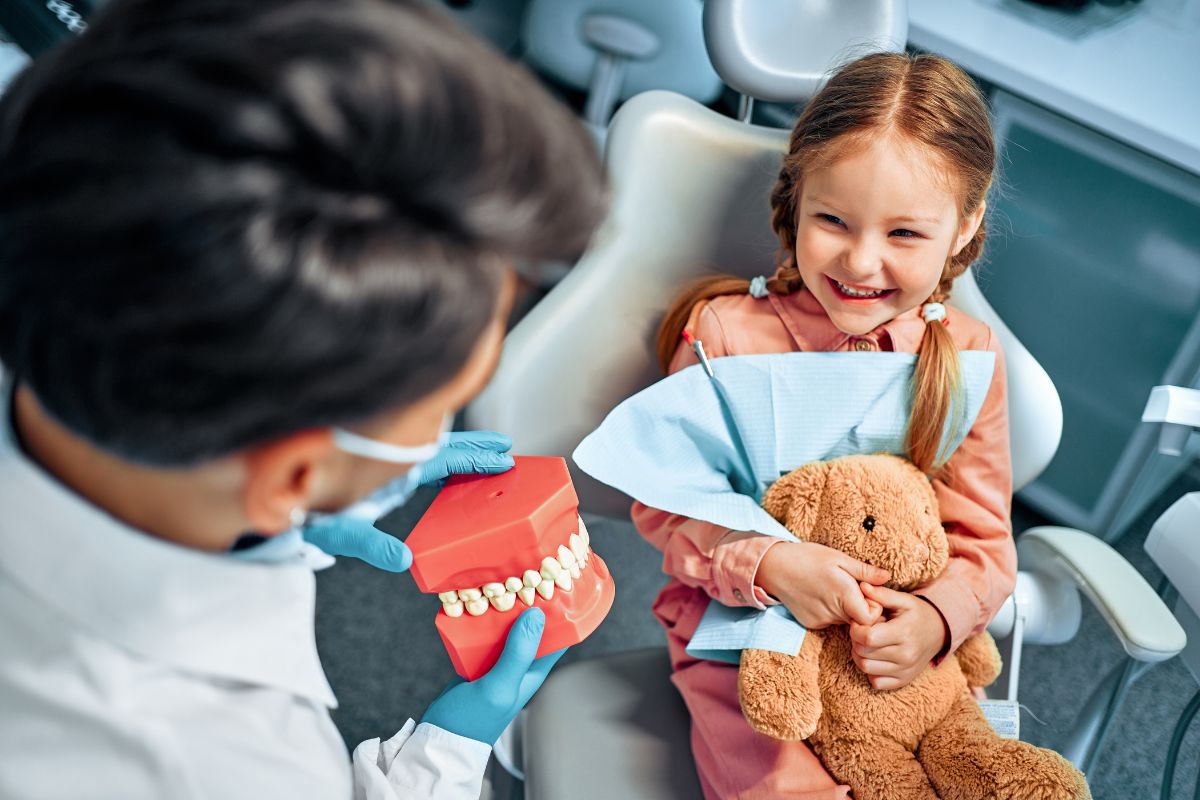
Tooth decay ranks among the most common chronic health issues in children, but it’s also one of the most preventable. Without timely treatment, it can lead to pain, infections, and difficulty with eating or speaking. That’s why early detection and preventive care from a pediatric dentist play a crucial role in protecting your child’s oral health. If you’re a parent concerned about your child’s oral health, understanding how to manage and prevent decay can make a huge difference in their lifelong smile.
What Causes Tooth Decay in Kids?
Tooth decay happens when plaque—a sticky film of bacteria—builds up on teeth. These bacteria feed on sugars and starches from food and drinks, producing acids that erode the enamel. Children are particularly vulnerable because baby teeth have thinner enamel, and their oral hygiene habits are still developing.
Common culprits behind childhood cavities include:
- Sugary snacks and beverages
- Infrequent or improper brushing
- Skipping regular dental visits
- Falling asleep with a bottle or sippy cup
You can proactively protect your child’s teeth by identifying these triggers early.
Spotting Early Signs of Decay
Tooth decay often starts silently. You may not see or feel anything until the problem has advanced. Early signs to watch for include:
- White or brown spots on the teeth
- Sensitivity to sweets or cold drinks
- Persistent bad breath
- Complaints of tooth pain or discomfort while chewing
If your child shows any of these symptoms, don’t wait. Schedule a check-up with a trusted pediatric dentist in Winter Springs. The earlier decay is detected, the easier and less invasive the treatment.
Prevention Strategies That Work
1. Make Brushing and Flossing a Routine
Teach your child to brush twice daily with fluoride toothpaste and floss once a day. For younger children, parents should assist or supervise brushing until age 7 or 8.
2. Choose Tooth-Friendly Foods
Swap sticky candies and sugary drinks for healthier alternatives like cheese, yogurt, vegetables, and water. These help strengthen enamel and reduce acid attacks.
3. Visit a Pediatric Dentist Regularly
Routine dental visits every six months help monitor oral health, apply fluoride treatments, and provide professional cleanings to remove plaque buildup.
4. Consider Dental Sealants
Sealants are thin, protective coatings placed on the chewing surfaces of molars. They shield the deep grooves of the teeth, helping block out food particles and bacteria that can lead to cavities.
What to Do If Your Child Has a Cavity
If your pediatric dentist finds a cavity, don’t panic. Today’s pediatric dental treatments are fast, gentle, and deliver lasting results—designed with your child’s comfort in mind. Depending on the extent of the decay, your child may need:
- A small filling
- A stainless-steel crown (often used for baby molars)
- Pulp therapy, if the decay has reached the nerve
Your dentist will explain the best treatment plan and ensure your child feels calm and safe throughout the process.
Tooth decay doesn’t have to be a part of childhood. With good habits at home and regular visits to a pediatric dentist, you can help your child enjoy a healthy, pain-free smile for years.
If you’re searching for compassionate, expert dental care for your child, Collins Dental is here to help. Call us today at (407) 699-9831 to schedule an appointment today and experience the difference a dedicated pediatric team can make. We proudly serve families in Winter Springs, Oviedo, and surrounding areas with care close to home—and even closer to the heart.