Understanding the Importance of a Mouthguard
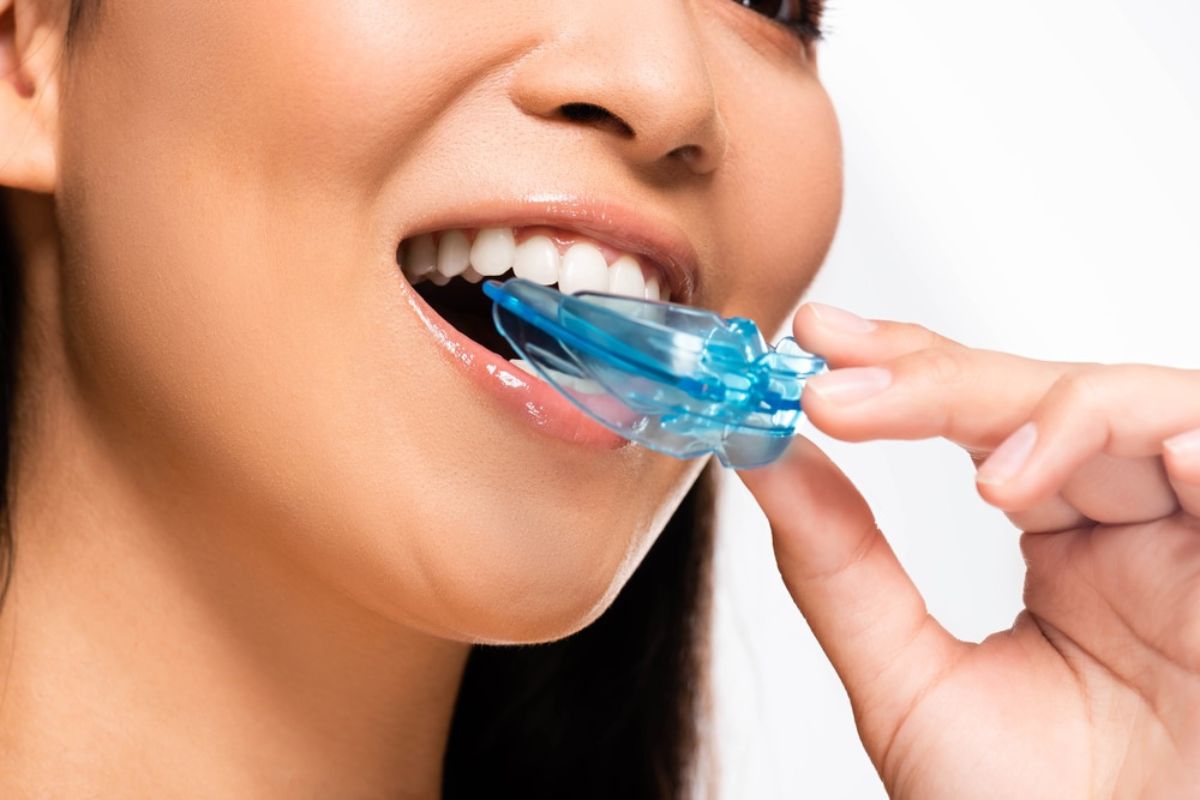
Mouthguards play a vital role in protecting teeth from injuries, especially for athletes and those who grind their teeth at night. They act as a cushion, reducing the risk of tooth fractures, jaw injuries, and soft tissue damage. However, improper care of a mouthguard can lead to oral health issues, including bacterial buildup and gum infections. To ensure your teeth remain in optimal condition, it is essential to adopt the right hygiene practices while using a mouthguard.
Cleaning Your Mouthguard Properly
A mouthguard that is not cleaned regularly can become a breeding ground for bacteria, which may contribute to cavities and gum disease. After each use, rinse the mouthguard thoroughly with lukewarm water to remove debris. Use a soft-bristled toothbrush and mild soap to scrub it gently, ensuring all bacteria and food particles are eliminated. Avoid using hot water, as excessive heat can warp the material, affecting the fit and function of the mouthguard.
Storing Your Mouthguard the Right Way
Proper storage prevents contamination and maintains the durability of your mouthguard. Always keep it in a ventilated case that allows airflow to prevent moisture buildup, which can lead to bacterial growth. Ensure the storage case itself is cleaned regularly using soap and water. Leaving your mouthguard in unclean environments, such as a gym bag or pocket, increases the risk of transferring harmful bacteria to your mouth.
Maintaining Good Oral Hygiene
Wearing a mouthguard for extended periods requires extra attention to oral hygiene. Brushing and flossing twice a day help prevent plaque accumulation, which can lead to cavities and bad breath. Since the mouthguard sits directly against your teeth, any lingering food particles or bacteria can become trapped, increasing the likelihood of decay. A dentist in Winter Springs can provide professional cleanings to keep your teeth in excellent condition while using a mouthguard.
Checking for Damage and Replacing When Necessary
Over time, mouthguards can wear out, losing their ability to provide adequate protection. Regularly inspect your mouthguard for signs of cracks, thinning, or tears. A damaged mouthguard can become less effective and may even cause irritation or discomfort. If you notice any issues, consult your dentist about getting a replacement to maintain the best level of protection for your teeth.
Choosing the Right Mouthguard
The type of mouthguard you use can impact your oral health. Custom-fitted mouthguards, provided by dental professionals, offer the best fit and protection. Unlike over-the-counter options, custom mouthguards are designed to align perfectly with your teeth, reducing discomfort and minimizing breathing difficulties. A well-fitted mouthguard also prevents unnecessary movement, decreasing the risk of gum irritation and sores.
Scheduling Regular Dental Checkups
Routine dental visits help identify any oral health issues that may arise from wearing a mouthguard. Our dentist can check for any signs of bacterial buildup, gum irritation, or improper fit. Regular checkups allow for timely adjustments or recommendations for a better mouthguard solution.
Taking care of your teeth while using a mouthguard requires dedication, but with proper cleaning and hygiene, you can maintain a healthy smile. If you’re unsure whether your mouthguard is in good condition, Collins Dental provides expert guidance in Winter Springs, Oviedo, and nearby cities in Florida on maintaining your oral health while ensuring your protective gear functions correctly.