How to Maintain Proper Oral Hygiene After Getting Dental Implants
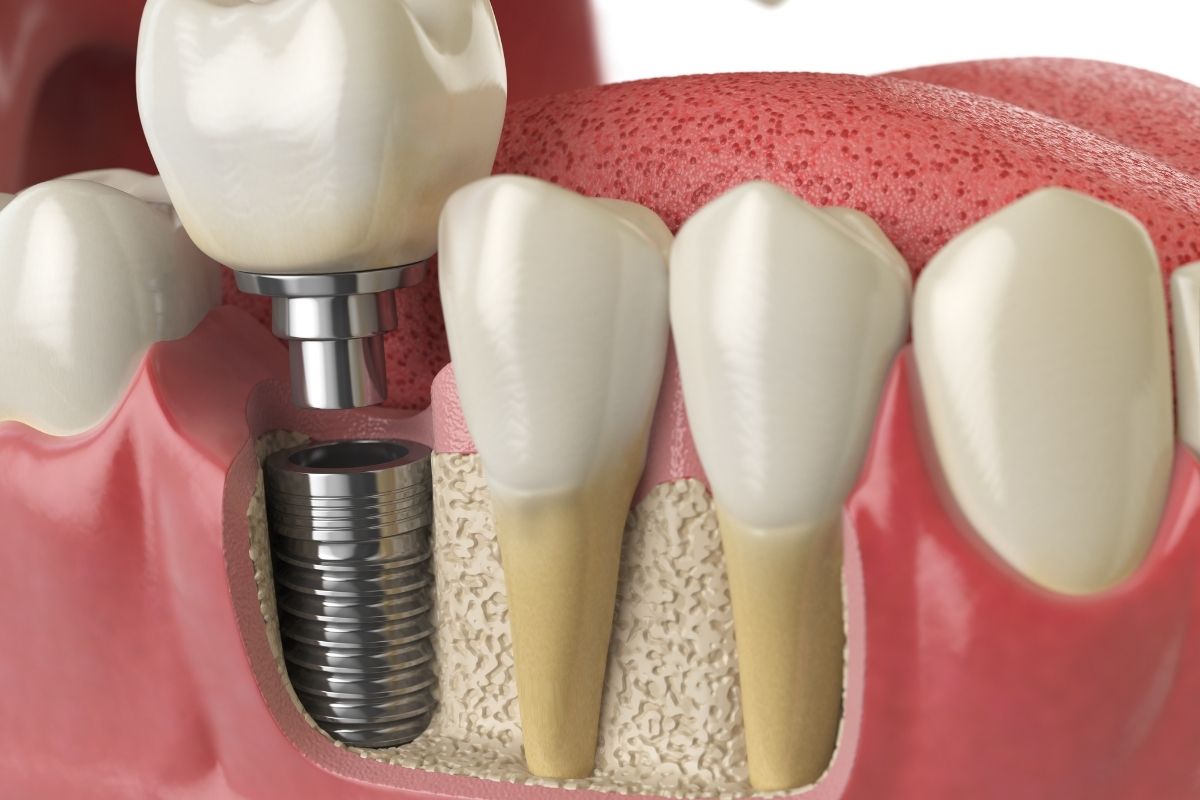
Getting dental implants in Winter Springs can transform your smile and improve your overall oral health. Whether you’ve lost teeth due to injury, decay, or aging, dental implants provide a long-lasting solution that functions like your natural teeth. However, to ensure the success and longevity of your implants, maintaining proper oral hygiene is crucial. In this guide, we’ll walk you through everything you need to know about caring for your dental implants and keeping your smile healthy.
Why Oral Hygiene Matters After Getting Implants
Dental implants are designed to provide a permanent solution for missing teeth, but just like natural teeth, they need regular care. Proper oral hygiene is essential for avoiding complications such as infections or implant failure. After undergoing the procedure, your implants will need time to integrate with your jawbone, a process called osseointegration. During this period, taking good care of your mouth is essential to ensure the implants heal properly and remain secure.
Your Winter Springs dentist will provide you with personalized aftercare instructions, but understanding the general guidelines can help you prepare for a successful recovery. Let’s dive into the specific steps you should follow to maintain proper oral hygiene and maximize the lifespan of your dental implants.
Smart Daily Habits That Protect Your Implant Investment
Taking care of your dental implants requires consistent, mindful habits that support healthy gums and long-term stability. From proper brushing and flossing to routine checkups and healthy lifestyle choices, small daily actions make a big difference in preserving your smile for years to come.
1. Brush and Floss Regularly
After dental implant surgery, it’s essential to maintain a consistent brushing and flossing routine. While the implants themselves are resistant to decay, the surrounding gums and tissues are still vulnerable to infection. Use a soft-bristled toothbrush and a non-abrasive toothpaste to gently clean your implants at least twice a day.
Flossing is equally important for preventing plaque buildup around your implants. Special implant-friendly floss or an interdental brush can help you reach areas around the implants that are difficult to clean with a regular toothbrush. Be gentle when flossing to avoid damaging the implant or irritating the gums.
If you’re unsure about the best brushing or flossing techniques for your new implants, ask your dentist for guidance.
2. Rinse with Antibacterial Mouthwash
Using an antimicrobial mouthwash can help reduce the buildup of bacteria around your implants. This helps to prevent gum infections and other complications that can lead to implant failure. Your dentist may recommend a specific mouthwash, or you can opt for a gentle, alcohol-free option.
Make sure to use mouthwash as directed, usually after brushing and flossing. It’s also helpful to rinse your mouth with warm salt water to promote healing, especially during the first few days after your procedure.
3. Avoid Smoking and Excessive Alcohol Consumption
Smoking is one of the most significant risk factors for implant failure. The chemicals in tobacco can impair your body’s ability to heal and significantly reduce the success rate of your implants. If you smoke, it’s highly recommended to quit before and after the implant procedure to promote optimal healing.
Similarly, excessive alcohol consumption can interfere with healing and increase the risk of infection. It’s best to limit alcohol intake during the recovery period and follow any recommendations from your dentist regarding lifestyle choices.
4. Be Mindful of What You Eat
While one of the advantages of dental implants is that they allow you to eat most foods, you should still exercise caution, especially in the early stages of recovery. After the procedure, opt for soft foods that require minimal chewing, such as mashed potatoes, yogurt, and smoothies. Gradually reintroduce more solid foods into your diet, but avoid anything hard, crunchy, or sticky that could damage your implants or irritate your gums.
Avoid chewing on ice or hard candies, as this can cause unnecessary pressure on your implants. Additionally, be mindful of very hot or cold foods that could cause discomfort around the implant area.
5. Attend Regular Dental Checkups
Routine checkups with your dentist are essential for monitoring the health of your implants. Regular visits allow your dentist to assess the condition of your implants, remove plaque buildup, and identify any potential issues early on.
Your dentist will likely schedule follow-up visits to check on the healing process and ensure the implants are securely integrated with your jawbone. Keep in mind that regular cleanings and checkups help prevent infections and ensure that your implants continue to function properly.
6. Monitor for Signs of Complications
Even after your implants have fully healed, it’s important to stay vigilant for any potential issues. If you notice symptoms such as pain, swelling, or loosening of the implant, contact your Winter Springs dentist immediately. These could be signs of an infection or peri-implantitis, a condition similar to gum disease that can affect the tissues surrounding your implants.
7. Follow Post-Surgery Care Instructions Carefully
Immediately after your dental implant surgery, you will be given a set of specific post-surgery instructions. These instructions may include recommendations for managing pain and swelling, such as using ice packs and taking prescribed medications. It’s crucial to follow these instructions carefully to ensure proper healing and reduce the risk of complications.
Rest is also essential during the first few days after surgery. Avoid strenuous physical activity, as this can increase swelling and discomfort around the surgical site.
Conclusion
Caring for your dental implants is essential for ensuring their longevity and maintaining your overall oral health. By following the aftercare instructions provided by your Winter Springs dentist, you can enjoy a beautiful, functional smile for many years to come. Remember to maintain regular dental hygiene habits, attend follow-up visits, and stay mindful of your diet and lifestyle choices.
If you have any questions or concerns about your implants, don’t hesitate to reach out to Collins Dental Care. We are here to help you every step of the way.
FAQs
Q1: How long does it take for dental implants to fully heal?
Dental implants typically require 3-6 months to fully integrate with your jawbone. During this time, it’s important to follow all aftercare instructions for optimal healing.
Q2: Can I eat normally after getting dental implants?
You can return to eating normal foods once your implants have fully healed, but it’s important to avoid hard or sticky foods during the healing process.
Q3: Are dental implants permanent?
Dental implants are designed to be long-lasting, often lasting for decades with proper care. Regular dental checkups and maintaining oral hygiene are key to their longevity.