What Are the Stages of Dental Implants? A Complete Guide
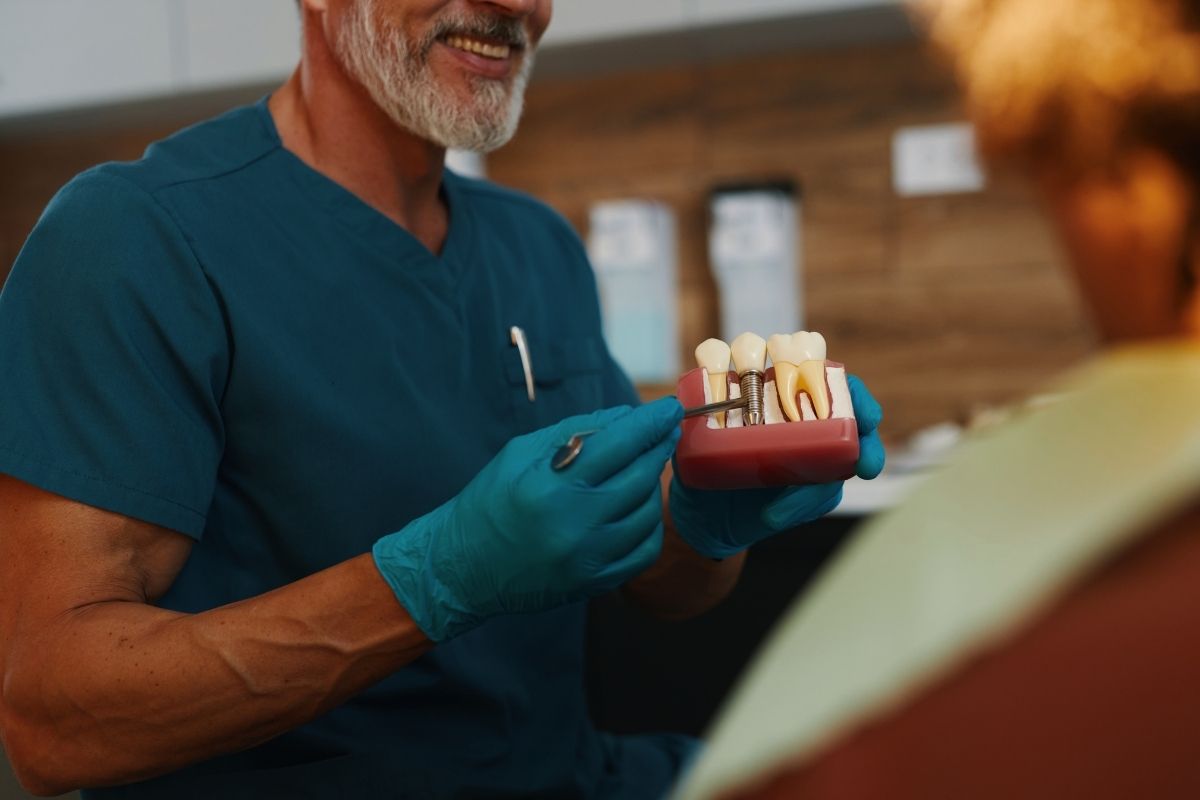
If you’re missing one or more teeth and exploring long-term solutions, understanding the step-by-step process can make everything feel more manageable. Many patients searching for dental implants in Winter Springs want to know what to expect before committing to treatment. Whether you live in Winter Springs or nearby communities like Oviedo, Casselberry, or Longwood, learning how the procedure works can help you feel confident and prepared.
This guide breaks down each phase of the implant journey from consultation to final restoration, so you know exactly how your smile is rebuilt.
Why Dental Implants Are Considered the Gold Standard
Before diving into the stages, it helps to understand why implants are so widely recommended. A dental implant replaces the root of a missing tooth with a small titanium post that fuses with your jawbone. This creates a stable foundation for a crown, bridge, or denture.
Unlike traditional options, implant-supported restorations help:
- Prevent jawbone shrinkage
- Maintain facial structure
- Restore natural chewing ability
- Improve speech clarity
- Provide long-term durability
Because implants integrate with the bone, they function much like natural teeth when properly cared for.
Step 1: Personalized Consultation and Treatment Planning
Every successful implant case starts with detailed planning.
During your initial visit, your dentist will:
- Perform a comprehensive oral exam
- Take digital X-rays or 3D cone beam imaging
- Evaluate bone density and gum health
- Review your medical history
This stage determines whether you’re a candidate for treatment. Some patients may need preliminary procedures such as:
- Bone grafting to rebuild jawbone volume
- Tooth extraction if a damaged tooth remains
- Treatment for gum disease before implant placement
Careful planning ensures the implant is placed in the ideal position for long-term success and natural appearance.
Step 2: Surgical Placement of the Implant Post
Once your treatment plan is finalized, the next phase is implant placement.
What Happens During the Procedure?
- Local anesthesia is administered to ensure comfort.
- A small incision is made in the gum tissue.
- The implant post is carefully positioned in the jawbone.
- The area is closed to begin healing.
The procedure typically takes 30–90 minutes per implant.
What to Expect After Surgery
Mild swelling, tenderness, or bruising is normal for a few days. Most patients manage discomfort with over-the-counter pain relief and ice packs.
Post-operative guidelines usually include:
- Eating soft foods for about a week
- Avoiding strenuous activity
- Keeping the surgical area clean
- Avoiding smoking to promote healing
Your dentist will provide detailed aftercare instructions to support proper recovery.
Step 3: Healing and Bone Integration
This phase is what makes implants unique.
Understanding Osseointegration
After placement, the implant undergoes a natural process called osseointegration, where the jawbone fuses directly to the titanium surface. This bonding creates a strong, stable base for your future tooth.
Healing time typically ranges from:
- 3 to 6 months for most patients
- Longer if bone grafting was required
Factors that influence healing include overall health, bone quality, and lifestyle habits.
Signs of Healthy Healing
- Gradual reduction in swelling
- Minimal discomfort after the first week
- No movement of the implant
If you notice increasing pain, swelling, or unusual discharge, contact your dental provider promptly.
Step 4: Placing the Abutment Connector
Once the implant has fully integrated with the bone, a small connector piece called an abutment is attached.
This minor procedure:
- Reopens the gum tissue to expose the implant
- Secures the abutment to the implant
- Allows the gum tissue to heal around it
Healing from abutment placement typically takes about two weeks.
The abutment serves as the anchor for your final restoration.
Step 5: Final Restoration and Smile Completion
This is the stage patients look forward to most: receiving their new tooth.
Depending on your needs, your restoration may be:
- A custom dental crown for a single missing tooth
- An implant-supported bridge for multiple missing teeth
- A full-arch implant denture for extensive tooth loss
Your dentist will take impressions or digital scans to ensure the restoration matches your natural teeth in:
- Shape
- Size
- Color
- Bite alignment
Once attached, your new tooth should look, feel, and function like a natural part of your smile.
Patients seeking Winter Springs dental implants are often surprised by how seamless and lifelike the final result appears.
How Long Does the Entire Process Take?
The full dental implant timeline varies depending on individual needs.
Typical timeframes:
- Simple cases: Approximately 3–4 months
- Cases requiring grafting: 6–9 months or longer
While this may seem like a lengthy process, the long-term benefits often outweigh the temporary wait.
Caring for Your Dental Implant Long-Term
Dental implants are highly durable, but maintenance is essential.
To protect your investment:
- Brush twice daily with a soft-bristle toothbrush
- Floss daily or use an interdental cleaner
- Schedule routine dental cleanings
- Avoid chewing hard objects
- Address teeth grinding if present
Regular checkups allow your dentist to monitor for peri-implant inflammation and ensure the surrounding bone and gum tissue remain healthy.
With proper care, implants can last decades.
Are Dental Implants Right for Everyone?
While implants are an excellent solution for many adults, they may not be suitable for everyone.
You may be a good candidate if you:
- Have sufficient jawbone density
- Maintain good oral hygiene
- Do not smoke (or are willing to quit)
- Have controlled medical conditions
If implants aren’t ideal, alternatives like bridges or removable dentures may still restore function and appearance effectively.
A personalized evaluation is the best way to determine your options.
Rebuilding Confidence One Step at a Time
Losing a tooth affects more than just your appearance; it can impact chewing, speech, and self-esteem. Understanding each phase of the implant journey can remove uncertainty and help you move forward with confidence. From your first consultation to surgical placement, healing, and the final restoration, every step is carefully planned to create a stable, natural-looking result that supports long-term oral health.
If you’re exploring tooth replacement options, speaking with a dentist in Winter Springs can help you determine whether dental implants are the right choice for your needs. The team at Collins Dental Care is here to guide you through every stage of the process. Contact us today to schedule a consultation and take the next step toward restoring your smile.