10 Silent Signs of Gum Disease You Should Never Ignore
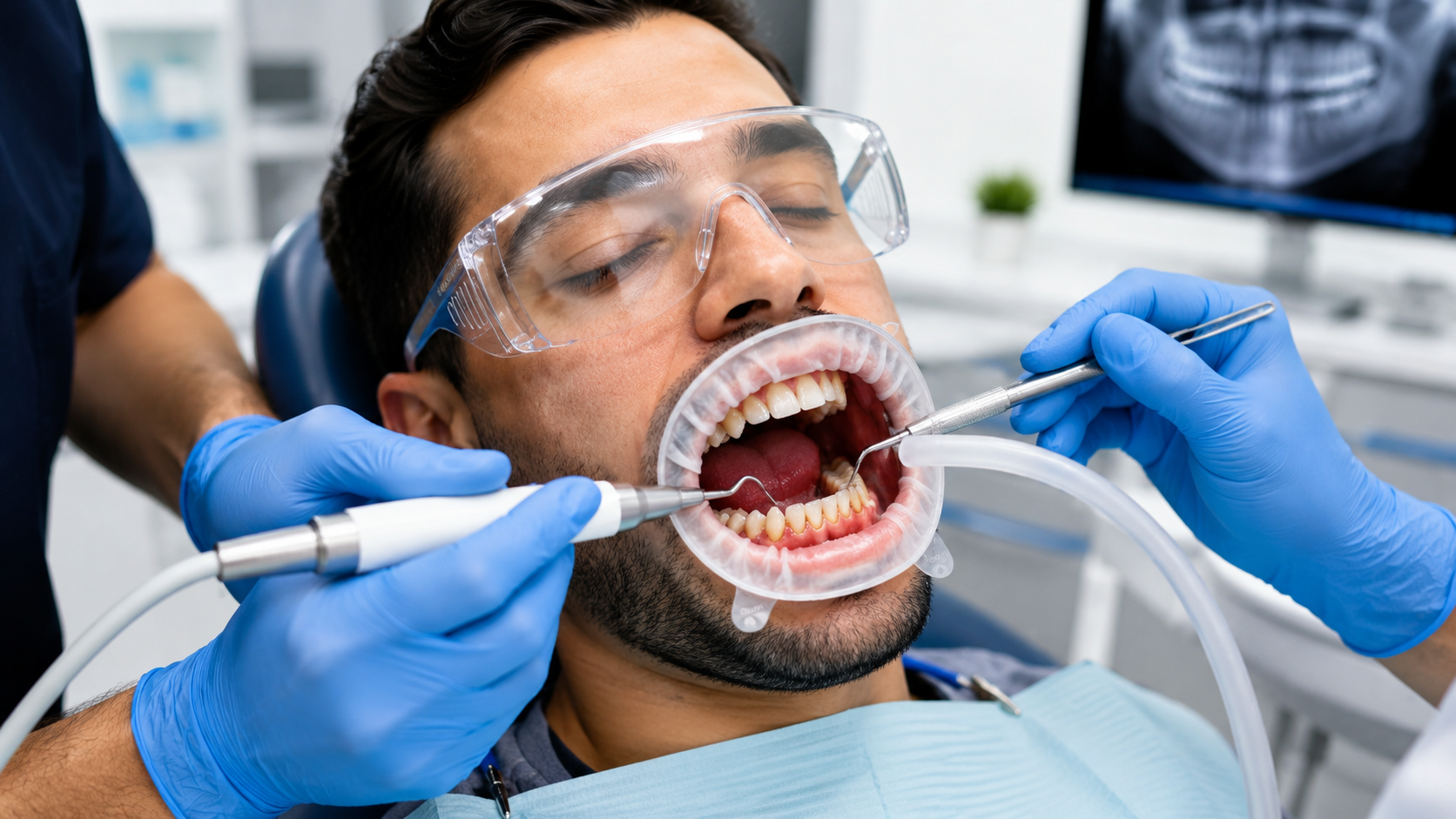
Most people expect gum disease to be painful. The truth is, it often develops quietly, showing few obvious symptoms until it reaches a more advanced stage.
Healthy gums are the foundation of a healthy smile, but early gum disease can progress without discomfort. That is why many people don’t realize there’s a problem until they notice loose teeth, persistent bad breath, or gum recession.
At Collins Dental Care, we help patients throughout Winter Springs, Oviedo, Casselberry, Longwood, and nearby Central Florida communities detect gum disease early and provide personalized treatment before it affects their long-term oral health.
If you’ve noticed any of the signs below, it’s worth scheduling a professional dental evaluation.
Gum Disease by the Numbers
| Adults with gum disease | Nearly 47% of adults aged 30+ have some form of gum disease. |
| Adults 65+ affected | About 70% are affected by periodontal disease |
| Leading cause of adult tooth loss | Advanced gum disease is the leading cause of tooth loss in adults. |
| Early treatment | Early diagnosis can help stop disease progression and protect your smile. |
Source: Centers for Disease Control and Prevention (CDC).
These numbers highlight why regular dental checkups remain one of the most important parts of preventive dental care.
1. Your Gums Bleed When You Brush or Floss
A small amount of bleeding may seem harmless, but healthy gums generally should not bleed during daily brushing or flossing.
Bleeding gums are often one of the earliest warning signs of gingivitis, the first stage of gum disease.
If bleeding happens regularly, don’t ignore it.
2. Persistent Bad Breath
Bad breath that doesn’t improve after brushing or mouthwash may be caused by bacteria hiding beneath the gum line.
As plaque accumulates around the teeth, bacteria release odors that ordinary brushing cannot completely eliminate.
Persistent bad breath deserves a professional evaluation.
3. Red or Swollen Gums
Healthy gums usually appear firm and light pink.
If your gums look:
- Red
- Puffy
- Inflamed
- Tender
It could indicate that your body is responding to a bacterial infection.
Even mild inflammation shouldn’t be ignored.
4. Your Gums Are Pulling Away From Your Teeth
Do your teeth suddenly look longer than they used to?
This may be gum recession, which occurs when gum tissue gradually pulls away from the teeth.
Receding gums can expose sensitive tooth roots and increase the risk of decay and tooth loss if left untreated.
5. Sensitive Teeth Without Cavities
If cold drinks or sweet foods suddenly make your teeth sensitive but your dentist doesn’t find cavities, the exposed roots caused by gum recession may be responsible.
Many patients mistake sensitivity for a tooth problem when it’s actually related to gum health.
6. Loose or Shifting Teeth
Adult teeth should feel stable.
If you notice:
- Teeth moving slightly
- New gaps developing
- Changes in how your bite feels
Advanced gum disease may be affecting the bone that supports your teeth.
Early treatment may help preserve your natural smile.
7. Pus Around the Gumline
Pus between the gums and teeth is never normal.
It often indicates an active infection that requires prompt dental care.
Ignoring infection can allow bacteria to spread deeper into the supporting tissues.
8. Changes in the Way Your Teeth Fit Together
Many people don’t associate bite changes with gum disease.
As supporting bone weakens, teeth may gradually shift position, making your bite feel different than before.
If your teeth no longer fit together comfortably, it’s important to schedule a dental examination.
9. Plaque and Tartar That Keep Returning
Even with good brushing habits, hardened tartar cannot be removed at home.
When plaque remains on teeth for too long, it hardens into tartar, creating the ideal environment for harmful bacteria.
Professional cleanings help remove buildup before it contributes to gum disease.
10. You Haven’t Had a Dental Checkup in Over Six Months
Sometimes the biggest warning sign isn’t a symptom, it’s simply going too long without a professional dental exam.
Early gum disease often develops without pain or obvious changes.
Routine dental visits allow your dentist to identify concerns before they become more serious and expensive to treat.
Why Gum Disease Often Goes Unnoticed
Unlike a toothache, gum disease usually develops slowly.
Many patients continue eating, speaking, and smiling normally while inflammation gradually damages the tissues supporting their teeth.
Because symptoms are often mild at first, regular dental exams remain the best way to detect gum disease early.
The earlier treatment begins, the better the chances of protecting your gums, teeth, and jawbone.
Simple Habits That Help Protect Your Gums
Healthy gums require consistent daily care.
You can lower your risk of gum disease by:
- Brushing twice a day with fluoride toothpaste.
- Flossing once daily to remove plaque between teeth.
- Scheduling professional dental cleanings every six months.
- Avoiding tobacco products.
- Eating a balanced diet rich in fruits and vegetables.
- Managing health conditions such as diabetes that can affect gum health.
These small habits can make a significant difference over time.
Don’t Wait Until Your Gums Hurt
Pain isn’t always the first sign of gum disease.
If you’ve noticed bleeding gums, persistent bad breath, gum recession, or changes in your smile, early treatment can help prevent more serious problems later.
At Collins Dental Care, our team provides comprehensive periodontal (gum disease) treatment, preventive dental care, and personalized treatment plans for patients in Winter Springs, FL, and surrounding communities. Whether you need a routine evaluation or treatment for early gum disease, we’re here to help you protect your smile for years to come.
If you’re concerned about your gum health, schedule a dental appointment today for a personalized evaluation and professional guidance.
Frequently Asked Questions
1. Can you have gum disease without pain?
Yes. Early gum disease often develops without pain, making regular dental checkups essential.
2. What is the first sign of gum disease?
Bleeding gums while brushing or flossing is one of the earliest and most common signs.
3. Is gum disease reversible?
Early-stage gingivitis can often be reversed with professional treatment and good oral hygiene.
4. How often should I have my gums checked?
Most people should have a dental exam and professional cleaning every six months.
5. When should I see a dentist for bleeding gums?
If your gums bleed regularly or the bleeding persists for more than a few days, schedule a dental evaluation.