Why Does Food Always Get Stuck in the Same Spot Between My Teeth?
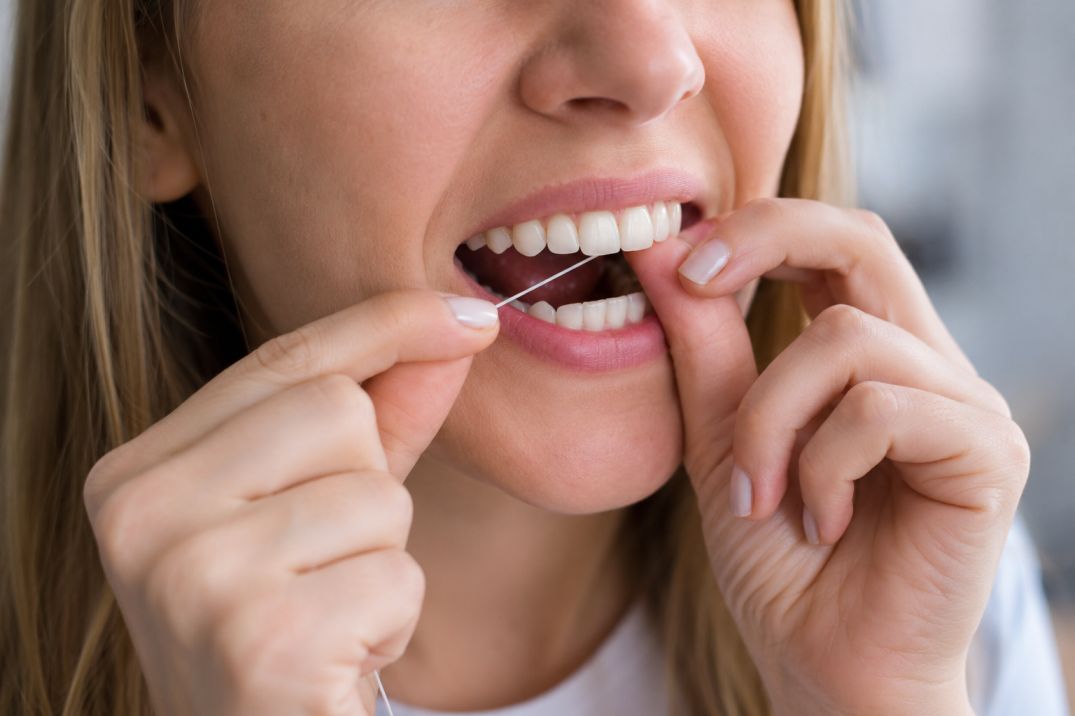
Have you noticed that every time you eat popcorn, chicken, salad, or even steak, food gets trapped in the exact same place between your teeth? You floss it out, forget about it, and then it happens again at your next meal.
While it may seem like a small annoyance, recurring food impaction is often your mouth’s way of telling you something isn’t quite right. Ignoring it could lead to tooth decay, gum disease, or even damage to nearby teeth.
If you’ve been searching for a dentist near me to find out why this keeps happening, you’re not alone. At Collins Dental Care, we help patients throughout Winter Springs, FL, Oviedo, Casselberry, Longwood, Sanford, and nearby communities identify the underlying cause before it turns into a more serious dental problem.
Why Does Food Keep Getting Stuck in the Same Spot?
Your teeth are designed to fit together with natural contact points that help guide food away while you chew. When those contact points change even slightly, food can become trapped repeatedly in the same area. Some causes are minor, while others require professional treatment.
The good news? Most can be corrected once the source is identified.
Common Reasons Food Gets Stuck Between Teeth
1. A Small Cavity Between Teeth
Not every cavity is visible or painful.
Decay that develops between neighboring teeth can create tiny spaces where food becomes lodged. Because these cavities are hidden, they often go unnoticed until a dental exam or X-ray reveals the problem.
2. A Worn or Damaged Filling
Fillings naturally experience years of chewing pressure.
Over time, they may:
- Wear down
- Develop small gaps
- Lose their original shape.
These changes allow food to catch more easily and may increase your risk of future decay.
3. Gum Recession
As gums recede, more of the tooth surface becomes exposed.
This creates larger spaces between teeth where food can collect more frequently.
According to the Centers for Disease Control and Prevention (CDC), nearly 42% of adults aged 30 and older have some form of periodontal (gum) disease, making gum recession a common contributor to food impaction.
4. Tooth Movement Over Time
Teeth naturally shift throughout life.
Even small changes can alter the way neighboring teeth contact one another, creating tiny openings that trap food during meals.
5. A Cracked or Worn Tooth
A chipped edge or small fracture can change the shape of your tooth enough to catch food repeatedly.
These problems aren’t always painful at first but may worsen if left untreated.
Signs You Shouldn’t Ignore
Recurring food impaction isn’t just inconvenient; it may indicate an underlying dental concern.
Watch for these warning signs:
| Symptom | Possible Cause | Why It Matters |
| Food sticks in the same spot every meal | Worn filling or cavity | Can lead to decay if untreated |
| Bleeding when flossing one area | Gum inflammation | Early sign of gum disease |
| Bad breath despite brushing | Trapped food and bacteria | May indicate infection or decay |
| Pain while chewing | Cracked tooth or damaged filling | Could worsen without treatment |
| Floss keeps shredding | Rough filling or cavity | Often requires professional evaluation |
If you’re experiencing one or more of these symptoms, scheduling an evaluation with a dentist near me can help prevent more extensive treatment later.
Why You Shouldn’t Keep Ignoring It
It’s tempting to think flossing solves the problem. Unfortunately, removing trapped food only treats the symptom, not the cause.
Over time, repeated food impaction can contribute to:
- Tooth decay
- Gum infection
- Bone loss around the affected tooth
- Persistent bad breath
- Increased tooth sensitivity
- Larger restorative treatments in the future
Research published by the National Institutes of Health (NIH) has shown that areas where plaque consistently accumulates are at greater risk for periodontal disease and tooth decay if not properly treated.
How Your Dentist Finds the Cause
Because several conditions can produce the same symptom, a comprehensive examination is essential.
At Collins Dental Care, your evaluation may include:
- A complete dental examination
- Digital X-rays
- Assessment of existing fillings and crowns
- Bite evaluation
- Gum health assessment
- Examination of tooth contact points
Rather than simply removing trapped food, we focus on identifying the reason it keeps happening.
Treatment Depends on What’s Causing the Problem
Fortunately, many causes of food impaction are straightforward to correct.
Depending on your diagnosis, treatment may involve:
- Tooth-colored fillings
- Replacing worn restorations
- Dental crowns
- Gum therapy
- Bite adjustments
- Preventive dental cleanings
Early treatment often preserves more of your natural tooth structure while reducing the need for more complex procedures later.
Prevention Starts with Routine Dental Care
The best way to prevent recurring food impaction is by catching small dental changes before they become larger problems.
Routine dental visits allow your dentist to detect:
- Small cavities between teeth
- Worn fillings
- Early gum disease
- Bite changes
- Minor cracks before they worsen
Maintaining regular preventive care not only helps keep your smile comfortable but also protects your long-term oral health.
Don’t Let a Small Problem Become a Bigger One
Food getting stuck between the same teeth isn’t something you should simply learn to live with.
Whether the cause is a hidden cavity, a worn filling, gum recession, or natural tooth movement, identifying the issue early can save you time, discomfort, and future dental expenses.
At Collins Dental Care, we’re committed to helping families throughout Winter Springs, FL, Oviedo, Longwood, Casselberry, Sanford, and surrounding communities enjoy healthy, functional smiles through personalized dental care.
If you’ve been searching for a trusted dentist near me, we’re here to help.
Schedule a Consultation to find the cause of recurring food impaction before it leads to a bigger problem, and Meet Our Doctors to learn how our experienced team provides personalized care for every stage of your oral health journey.
Frequently Asked Questions
Why does food always get stuck between the same teeth?
It may be caused by a cavity, worn filling, gum recession, tooth movement, or changes in tooth shape.
Can food getting stuck cause gum disease?
Yes. Trapped food encourages plaque buildup, which can irritate gums and contribute to periodontal disease.
Should I see a dentist if food gets stuck but nothing hurts?
Yes. Many dental problems begin without pain and are easier to treat when caught early.
Can replacing an old filling stop food from getting stuck?
In many cases, yes. A properly shaped filling can restore normal tooth contact and reduce food impaction.
How can I prevent food from getting stuck between my teeth?
Maintain regular dental checkups, floss daily, and have any worn restorations or cavities treated promptly.