Periodontal Disease Treatment (Gum Disease)
Gum disease (periodontal disease) is a significant oral health issue that can impact anyone regardless of background. Our dental clinic offers comprehensive periodontal treatments to restore your gum health at every stage of the disease.
Understanding Periodontal Disease
Periodontal disease, often referred to as periodontitis or gum disease, is a severe infection that impacts the gums and bone supporting your teeth. Healthy gums and bones are essential for maintaining your teeth’s stability. When plaque and food particles get trapped between your gums and teeth, they can cause an infection, leading to gum disease. This condition, which affects many individuals, is primarily caused by the bacteria in plaque build-up on teeth.
Gingivitis, which involves redness, swelling, and bleeding of the gums, represents the initial phase of gum disease. When this mild gum inflammation is not treated, it can progress to periodontitis, a more severe infection capable of permanently damaging the supporting structures of the teeth. The key is to catch gingivitis early and prevent its escalation into advanced gum disease through proper oral hygiene and professional treatment.
Identifying periodontal disease in its early stages is vital for preventing tooth and bone loss. To determine if you have periodontitis and assess its severity, we will perform the following steps:
- Medical History Review: We consider risk factors like genetics, medications, and smoking.
- Teeth and Gum Examination: Checking for plaque/tartar build-up and bleeding gums.
- Gum Pocket Depth Measurement: Using a dental probe to assess gum health.
- 1-3 mm: Healthy gums
- 3-5 mm: Early periodontitis
- 5-7 mm: Moderate periodontitis
- 7-10 mm: Advanced periodontitis
- Dental X-rays: Identifying bone loss associated with deep gum pockets.
This disease is common but preventable. It typically results from poor oral hygiene, such as not flossing and brushing twice daily or getting regular dental exams. Learn more about the causes, symptoms, and treatment options below.
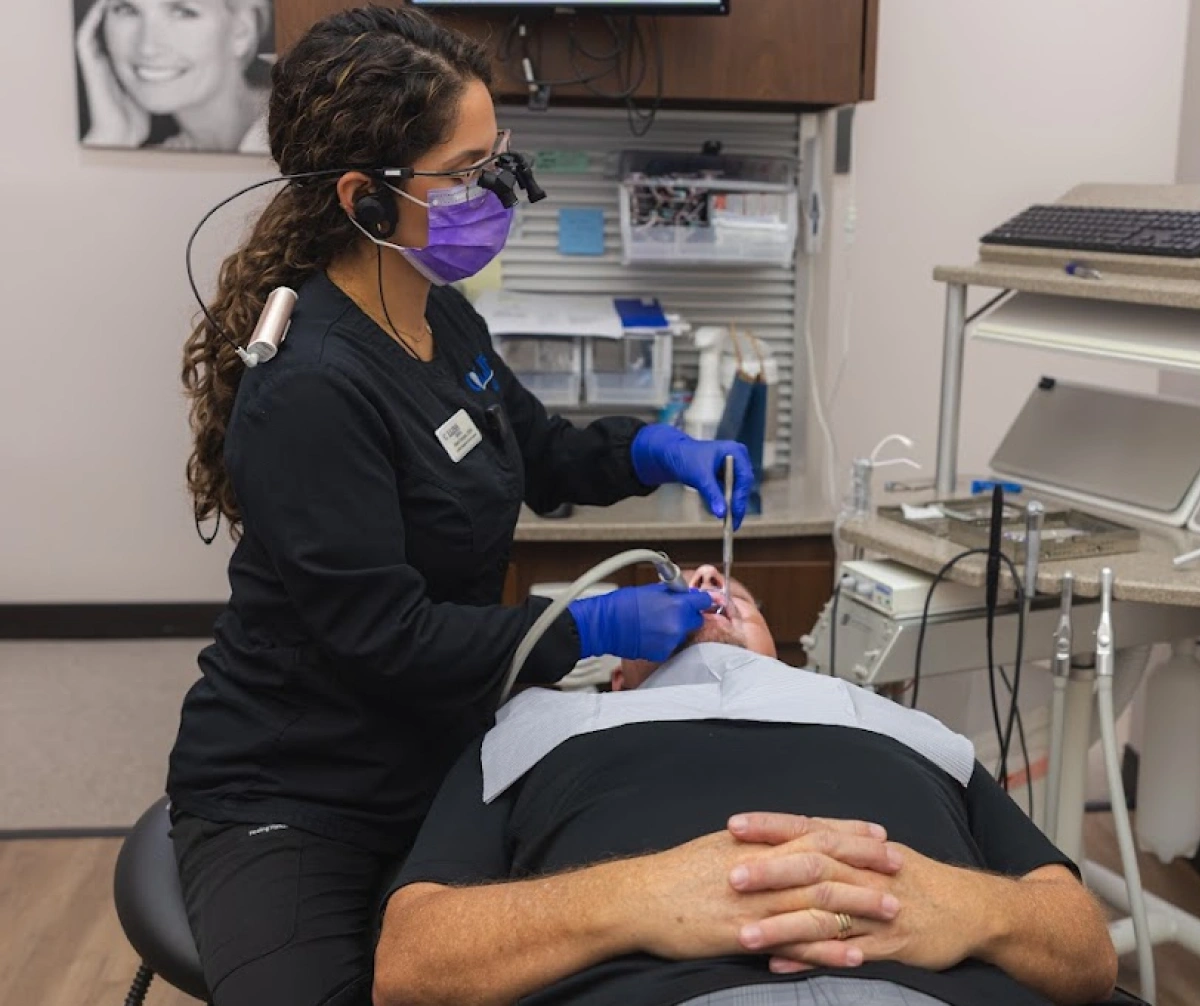
Treating Gum Disease to Protect Your Smile
Questions About Gum Disease?
If you have any questions about gum disease or need a consultation, please use one of the options below. We also offer a variety of restorative, preventative, and cosmetic dental services. Check out the link below to view them all.
Frequently Asked Questions
Why is deep cleaning often the first step in treatment?
Deep cleaning is often the first step because gum disease begins below the gumline. This treatment removes plaque, tartar, and bacteria from areas that can't be reached with regular brushing and flossing, helping reduce infection and support healthier gums.
How do dentists know how bad my gum disease is?
Our team utilizes assessment tools such as x-rays and periodontal probings to evaluate the health of your gums and bone. We measure the spaces, or "pockets," between your teeth and gums. The combination of the assessments allow us to evaluate the severity of the gum disease based on the ADA (American Dental Association) standards.
When does gum disease require more than just cleaning?
If gum disease has progressed beyond the early stages, more advanced treatment may be recommended. Depending on your needs, this could include deep cleaning or other procedures to help treat the infection and protect your long-term oral health.
Can gum disease be completely reversed?
The earliest stage of gum disease, known as gingivitis, can often be reversed with prompt treatment and good oral hygiene. If the disease has progressed to periodontitis, treatment focuses on managing the condition, controlling the infection, and helping prevent further damage.
What if I don’t want to do a deep cleaning?
Skipping a recommended deep cleaning—known as scaling and root planing (SRP)—allows gum disease to worsen from mild inflammation into severe periodontitis. This progression can lead to deeper gum pockets, permanent jawbone destruction, loose teeth, and eventual tooth loss.