Can a Dentist Remove Hardened Plaque? Here’s What You Need to Know
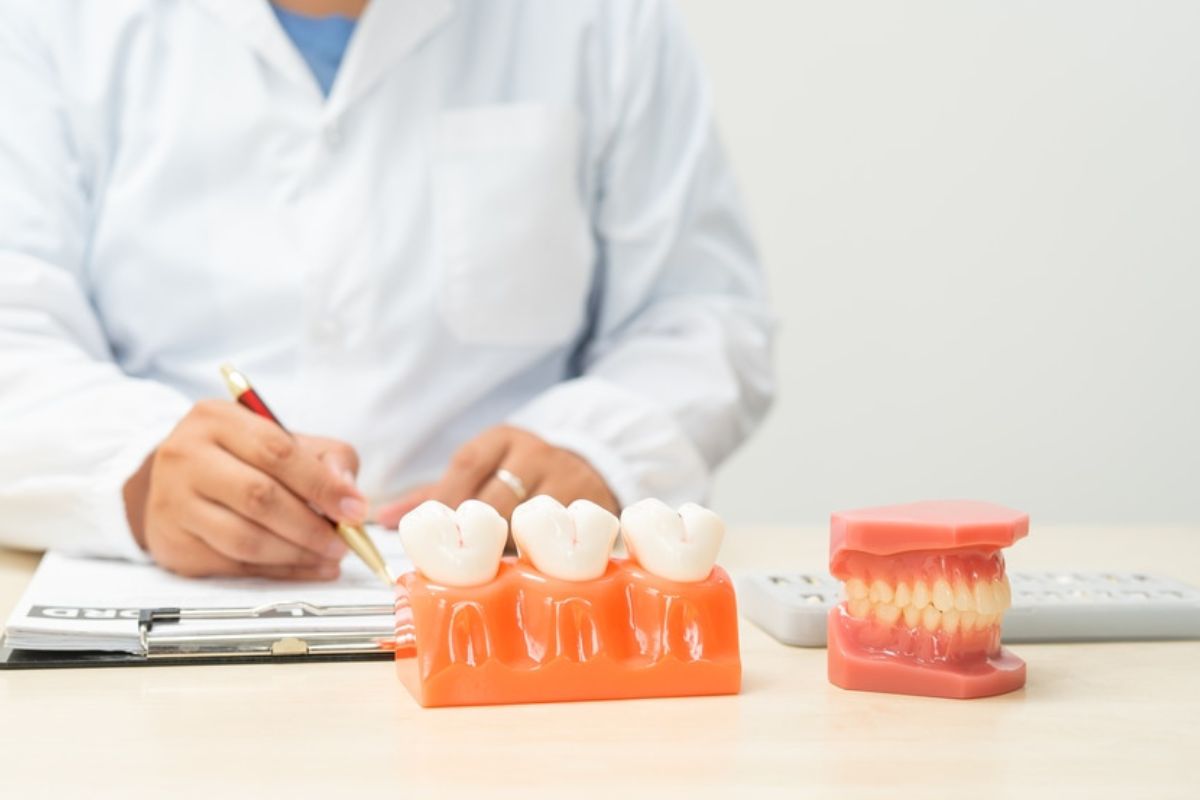
If you’ve noticed yellow or brown buildup around your teeth or near your gum line, you’re likely dealing with hardened plaque known as tartar. Daily brushing and flossing can help prevent plaque accumulation, but they cannot remove tartar after it has formed. So, can a dentist remove hardened plaque? Absolutely. Here’s how they do it and why it matters for oral health.
What Is Hardened Plaque (Tartar)?
Plaque is a sticky film of germs and food particles that builds on your teeth every day. If left undisturbed for 24 to 72 hours, plaque can harden into tartar, a calcified deposit that sticks firmly to your enamel and under the gumline. Tartar is unsightly and contributes to gum disease, cavities, and chronic bad breath.
Why You Can’t Remove Tartar at Home
Once plaque turns into tartar, no amount of brushing or flossing will remove it. Over-the-counter products may promise results, but they can’t break down hardened deposits. Trying DIY methods can even damage your enamel or gums.
A professional dental cleaning is the only way to safely and effectively remove stubborn plaque.
How a Dentist Removes Hardened Plaque
During your dental visit, your hygienist or dentist uses specialized tools to remove tartar above and below your gumline. This process, called scaling, involves scraping off buildup using hand instruments or ultrasonic scalers that vibrate to loosen deposits. In some cases, they’ll also perform root planing to smooth rough spots on your teeth roots, making it harder for plaque to reattach.
If you need professional help, a dentist in Winter Springs can safely perform this procedure and give your smile a clean slate.
What Happens After Tartar Removal?
Once your dentist removes the tartar, your teeth may feel smoother and look visibly brighter. More importantly, your gums will have the chance to heal and become less inflamed. Your dentist may also use a fluoride treatment to strengthen your enamel and prevent future plaque formation.
To keep tartar from returning, follow these tips:
- Brush twice daily with fluoride toothpaste
- Floss every day
- Rinse with an antimicrobial mouthwash
- Visit your dentist every 6 months for cleanings
Why Regular Dental Visits Matter
Skipping your cleanings may save you time in the short term, but it will cost you in the long run. Untreated tartar can cause receding gums, infections, and even tooth loss. Routine checkups allow your dentist to catch and treat buildup before it becomes a bigger issue.
Ready to Get Rid of Tartar?
Hardened plaque doesn’t stand a chance against professional dental tools and expert care. If you’re noticing a buildup or are overdue for a cleaning, schedule an appointment with your local dentist. Don’t let tartar put your oral health at risk—take action today and get back to smiling confidently.
Book your dental cleaning now and give your teeth the attention they deserve.