Will You Be Asleep During Sedation Dentistry? Types Explained
You may have heard various myths about sedation procedures. Many people wonder, “Will I be asleep during sedation dentistry?” The reality is, sedation dentistry isn’t about putting you to sleep entirely, like general anesthesia. Instead, it’s about helping you feel relaxed, calm, and comfortable during your dental procedure. In this post, we’ll explore the different types of dental sedation and help clear up any confusion about what you can expect during your visit to the dentist.
Understanding Sedation Dentistry: Not Just Sleeping Through the Procedure
Sedation dentistry is an option for patients who experience dental anxiety or need to undergo lengthy or complex dental treatments. While it’s common to hear that patients “slept through” their dental procedures, most patients are not actually unconscious during sedation. Sedation dentistry allows you to remain aware but relaxed, ensuring you feel comfortable throughout the procedure. The level of sedation used depends on the type of procedure and your comfort level.
Types of Sedation Dentistry: A Closer Look
When considering sedation, it’s important to understand that there are different types, each offering varying levels of sedation. These options allow your dentist to tailor your experience according to your needs, health history, and the complexity of the treatment.
1. Nitrous Oxide (Laughing Gas): The Lightest Sedation
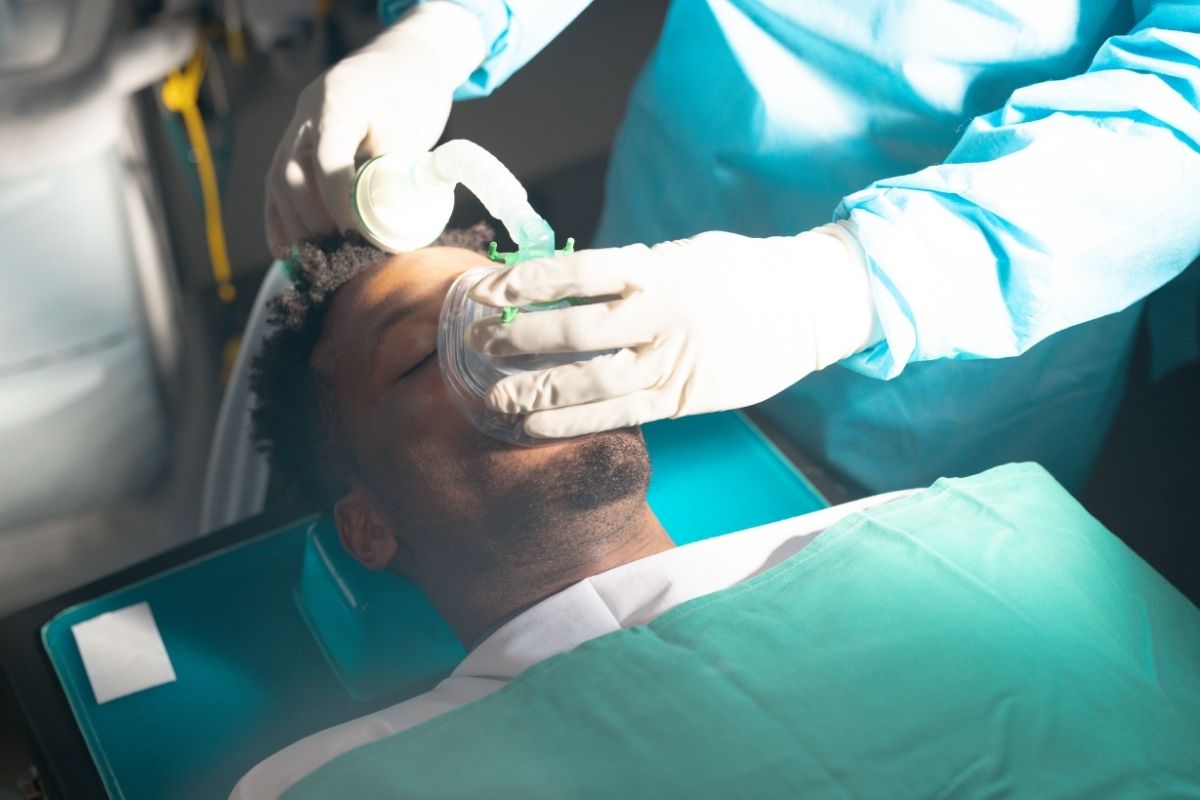
Nitrous oxide, commonly known as laughing gas, is a mild form of sedation often used for routine dental procedures. This type of sedation is inhaled through a small mask placed over your nose. It helps you feel relaxed and calm, but you remain fully awake and aware throughout the procedure. Many patients report feeling a sense of euphoria or light-headedness, but they can still follow verbal cues from the dentist. One of the best features of nitrous oxide is that the effects wear off quickly once the mask is removed, and you can resume your normal activities almost immediately.
2. Oral Sedation: For Deeper Relaxation
Oral sedation involves taking a prescribed sedative in pill or liquid form before your appointment. This type of sedation allows patients to feel deeply relaxed, though they remain awake and able to respond to the dentist’s instructions. Oral sedation can help reduce anxiety significantly, and some patients may even feel drowsy or forget parts of the procedure. However, you won’t be fully unconscious. For safety, you’ll need someone to drive you home after the procedure, as the sedative can leave you groggy for several hours.
3. IV Sedation: Deep Relaxation
IV sedation is a stronger form of sedation, typically used for more complex procedures or for patients who need a higher level of relaxation. The sedative is administered through an intravenous line directly into your bloodstream, allowing your dentist to control the dosage. While you may feel deeply relaxed, you are typically still conscious and able to respond to commands. Some patients may drift in and out of sleep but are not fully unconscious. IV sedation often leaves patients with little or no memory of the procedure afterward.
4. General Anesthesia: Full Unconsciousness
General anesthesia is the deepest form of sedation and is typically reserved for major oral surgeries. This form of sedation will put you into a complete state of unconsciousness, meaning you won’t be aware of the procedure at all. Unlike other types of sedation, general anesthesia requires special equipment and close monitoring of vital signs, which is why it’s generally only used in a hospital or surgical setting for more complex dental procedures.
What Happens During Sedation Dentistry?
During sedation dentistry, your dentist will carefully monitor your level of consciousness to ensure you’re as comfortable as possible. With lighter forms of sedation, such as nitrous oxide or oral sedatives, you will remain awake but feel deeply relaxed. For more intense sedation, such as IV sedation, you might be less aware of what’s happening, and you may have little to no memory of the procedure afterward. In all cases, your dentist will maintain control over the sedation level and ensure your safety throughout the process.
Can You Respond or Wake Up During Sedation Dentistry?
The answer depends on the level of sedation. For most sedation types, including nitrous oxide and oral sedation, you will be awake and able to respond to the dentist’s instructions. However, you may feel drowsy or somewhat detached from the procedure. With IV sedation, you may feel groggy or even fall in and out of light sleep, but you will still be able to respond to verbal cues. Only with general anesthesia will you be completely unconscious and unable to respond during the procedure.
The Benefits of Sedation Dentistry for Anxious Patients
For those who experience dental anxiety or fear, sedation dentistry can make a world of difference. The goal of sedation dentistry isn’t to put you to sleep but to help you relax and reduce anxiety. Many patients report feeling like time flew by during their procedures because they were so relaxed. For people with a strong gag reflex or those undergoing longer treatments, sedation can also make the experience more comfortable and manageable.
Is Sedation Dentistry Safe?
Sedation dentistry is generally very safe when performed by a trained professional. Before recommending it, your provider will review your medical history to make sure it’s the right fit for you. A Winter Springs dentist will also monitor your vital signs like heart rate, blood pressure, and oxygen levels, throughout the procedure to ensure everything stays safe and controlled.
It’s important to follow all pre- and post-appointment instructions carefully. Depending on the type of sedation, you may need to avoid eating beforehand and arrange for someone to drive you home after your visit, especially if oral or IV sedation is used.
Conclusion: A More Comfortable Dental Experience at Collins Dental Care
Sedation dentistry is a great option for those who experience dental anxiety or require more intensive treatments. Understanding the different types of sedation, whether it’s nitrous oxide, oral sedation, or IV sedation, can help you feel more prepared and confident for your next dental appointment. If you’re interested in learning more about sedation dentistry, Contact Collins Dental Care today. Our team is here to provide you with a comfortable, relaxed, and stress-free dental experience. Reach out to us and take the first step toward a healthier smile!