Can ZYN or Nicotine Pouches Cause Gum Recession?
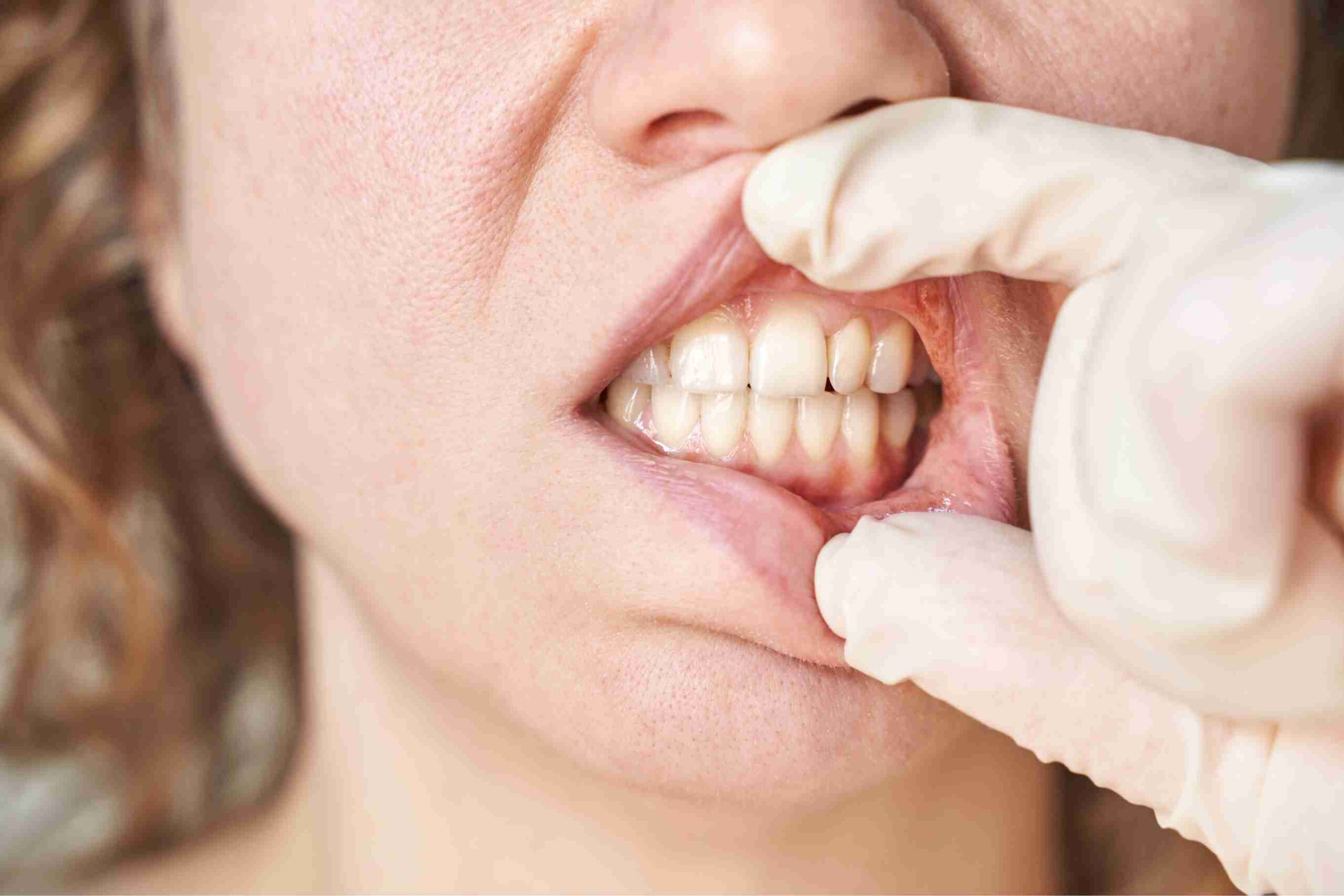
Nicotine pouches such as ZYN have become increasingly popular among adults looking for a tobacco-free way to consume nicotine. Because they do not produce smoke and are placed between the lip and gum, some people assume they are harmless to oral health. However, “tobacco-free” does not necessarily mean “risk-free” for your gums.
One concern is whether regularly placing nicotine pouches against the same area of the gum can contribute to irritation, gum inflammation, or recession. Current research is still developing, but there is enough evidence to take changes in your gums seriously.
For anyone concerned about gum recession or other symptoms, an evaluation from a dental professional can help determine whether nicotine pouch use, gum disease, or another factor is contributing to the problem. Patients looking for Gum Disease Treatment in Winter Springs, FL can receive a comprehensive periodontal evaluation at Collins Dental.
What Is Gum Recession?
Gum recession occurs when the gum tissue surrounding a tooth pulls away from the tooth surface, exposing more of the tooth or its root. You may notice that a tooth looks longer than it used to, or you may develop increased sensitivity to cold, hot, or sweet foods.
Recession can have several causes, including:
- Gum disease and periodontal inflammation
- Aggressive or improper tooth brushing
- Naturally thin gum tissue
- Tooth position or orthodontic movement
- Certain habits or oral trauma
- Tobacco or nicotine-product use
- Localized irritation from products placed against the gums
Importantly, not every case of gum recession is caused by periodontal disease. A dental examination is necessary to identify the underlying cause.
Can ZYN or Nicotine Pouches Cause Gum Recession?
The short answer is: nicotine pouches may contribute to gum irritation and changes in gingival health, but current research has not established that ZYN directly causes gum recession in every user.
This distinction matters.
Nicotine pouches are held between the lip and gum for a period of time, creating prolonged contact with the same area of oral tissue. A 2024 systematic review published in BMC Oral Health examined the available research on nicotine pouches and oral health. The review included only three studies involving 190 participants and concluded that the evidence was limited and had a high risk of bias. However, oral mucosal changes at the pouch-placement site were commonly reported, along with soreness, dry mouth, and gingival blisters.
The researchers also noted that nicotine may affect periodontal tissues through biological mechanisms, although much of the evidence for these effects comes from laboratory or indirect research rather than strong clinical studies.
So, while it would be inaccurate to say that ZYN has been definitively proven to cause gum recession, repeated exposure of the same gum area to nicotine pouches should not be considered harmless.
How Nicotine Pouches May Affect Your Gums
Several factors may explain why nicotine-pouch users can experience localized gum problems.
1. Repeated Contact With the Same Area
A pouch is commonly positioned against the gum for an extended period. Repeated placement in the same location may irritate the soft tissues.
If you consistently place the pouch against one area and notice redness, tenderness, a sore spot, or changes in the gumline, that is worth discussing with your dentist.
2. Nicotine Can Affect Oral Tissues
Nicotine is biologically active and can influence blood vessels and periodontal tissues. Research reviewed in the 2024 systematic review found potential mechanisms through which nicotine exposure may affect periodontal cells and tissue health. However, these mechanisms do not prove that nicotine pouches directly cause recession in humans.
3. Dry Mouth May Increase Oral Health Risks
Some nicotine-pouch users report dry mouth. Reduced saliva can make it more difficult for the mouth to naturally clear food particles and neutralize acids.
Dry mouth does not automatically cause gum recession, but maintaining healthy saliva flow is important for overall oral health.
4. Existing Gum Disease Can Make the Situation More Concerning
If you already have gingivitis or periodontitis, nicotine-pouch use may be an additional concern. Gum disease can damage the tissues and bone supporting your teeth, potentially contributing to gumline changes and tooth instability.
Collins Dental explains that gingivitis can progress to periodontitis when inflammation is not addressed. Periodontitis can permanently damage the structures supporting the teeth.
Signs Your Gums May Be Receding
Gum recession can develop gradually, so watch for changes such as:
- Teeth appearing longer than before
- Increased tooth sensitivity
- Noticing more of the tooth root
- A visible change in the gumline
- Localized gum tenderness
- Redness or irritation where a pouch is placed
- Bleeding when brushing or flossing
- Persistent bad breath
- Loose teeth in more advanced periodontal disease
A visible change does not necessarily mean nicotine pouches are responsible. A dentist can evaluate your gums, measure periodontal pockets, and determine whether inflammation, recession, plaque buildup, or another factor is involved.
Does Switching Where You Put the Pouch Prevent Gum Recession?
Moving the pouch from one side of your mouth to another may reduce repeated irritation to a single area, but it does not make nicotine-pouch use risk-free.
If you are experiencing gum changes, simply changing placement should not replace a dental evaluation. The safest approach for your gums is to discuss nicotine use with your dentist and consider stopping nicotine use, particularly if you are developing persistent irritation or recession.
Nicotine pouches are also not the same as traditional smokeless tobacco. Their relatively new use means long-term oral-health data remain limited. A 2024 critical review likewise emphasized that evidence surrounding newer oral nicotine products is still developing and that study quality and duration vary considerably.
What Should You Do If You Notice Gum Recession?
Don’t wait for pain. Gum problems can develop with few symptoms, particularly in the early stages.
A dental professional can examine your gums and evaluate factors such as:
- Gum inflammation and bleeding
- Plaque and tartar accumulation
- Periodontal pocket depths
- Existing gum recession
- Bone levels when X-rays are appropriate
- Oral habits and nicotine use
- Other potential causes of gum changes
At Collins Dental, periodontal evaluation include a review of medical history, examination of the teeth and gums, periodontal pocket measurements, and dental X-rays when appropriate to evaluate supporting bone.
Depending on the findings, treatment may range from professional cleaning and improved home care to more advanced periodontal treatment. Collins Dental notes that early gingivitis can often be reversed, while treatment for periodontitis focuses on controlling infection and preventing further damage.
How to Protect Your Gums While Using Nicotine Pouches
If you currently use ZYN or another nicotine pouch, consider these steps:
- Pay attention to the placement area. Look for persistent redness, soreness, lesions, or changes in the gumline.
- Maintain excellent oral hygiene. Brush twice daily with fluoride toothpaste and clean between your teeth every day.
- Don’t ignore bleeding gums. Frequent bleeding can be a sign of gingival inflammation.
- Schedule regular dental examinations. Professional examinations can detect changes that are difficult to see at home.
- Talk honestly with your dentist about nicotine use. This information can help your dental team assess risk factors more accurately.
- Consider quitting nicotine. Eliminating the exposure removes a potential source of localized irritation and nicotine-related concerns.
The Bottom Line
Can ZYN or nicotine pouches cause gum recession? Current evidence does not establish a definitive cause-and-effect relationship between ZYN specifically and gum recession. However, research has documented oral tissue changes, soreness, and gingival effects associated with nicotine-pouch use, while long-term evidence remains limited.
If you notice a receding gumline, sensitivity, bleeding, or irritation where you regularly place a pouch, don’t assume it will resolve on its own. Gum disease, mechanical irritation, and other factors can contribute to similar symptoms.
For patients seeking Gum Disease Treatment in Winter Springs, FL, Collins Dental provides periodontal evaluations and treatment designed to identify gum problems early and protect your teeth and supporting tissues. If you have noticed gum recession, sensitivity, bleeding, or irritation where you regularly place a nicotine pouch, schedule a consultation with Collins Dental for a personalized evaluation and recommendations for protecting your oral health.
Frequently Asked Questions (FAQ’s)
Can ZYN make your gums recede?
There is not enough clinical evidence to prove that ZYN directly causes gum recession, but nicotine pouches can cause localized oral irritation and changes that should be evaluated.
Are nicotine pouches bad for your gums?
They may irritate the gums and oral tissues, particularly where the pouch is repeatedly placed, although long-term evidence is still limited.
Can gum recession grow back?
Receded gum tissue generally does not grow back on its own, but treatment can help control the underlying cause and prevent further recession.
Should I stop using nicotine pouches if my gums are receding?
It is reasonable to discuss stopping nicotine use with your dentist, especially if you notice localized irritation, recession, or other changes.
When should I see a dentist for gum recession?
Schedule an evaluation if you notice a changing gumline, tooth sensitivity, persistent bleeding, swelling, soreness, or visible tissue changes.