Are Dental Sealants Only for Kids? What Adults Should Know
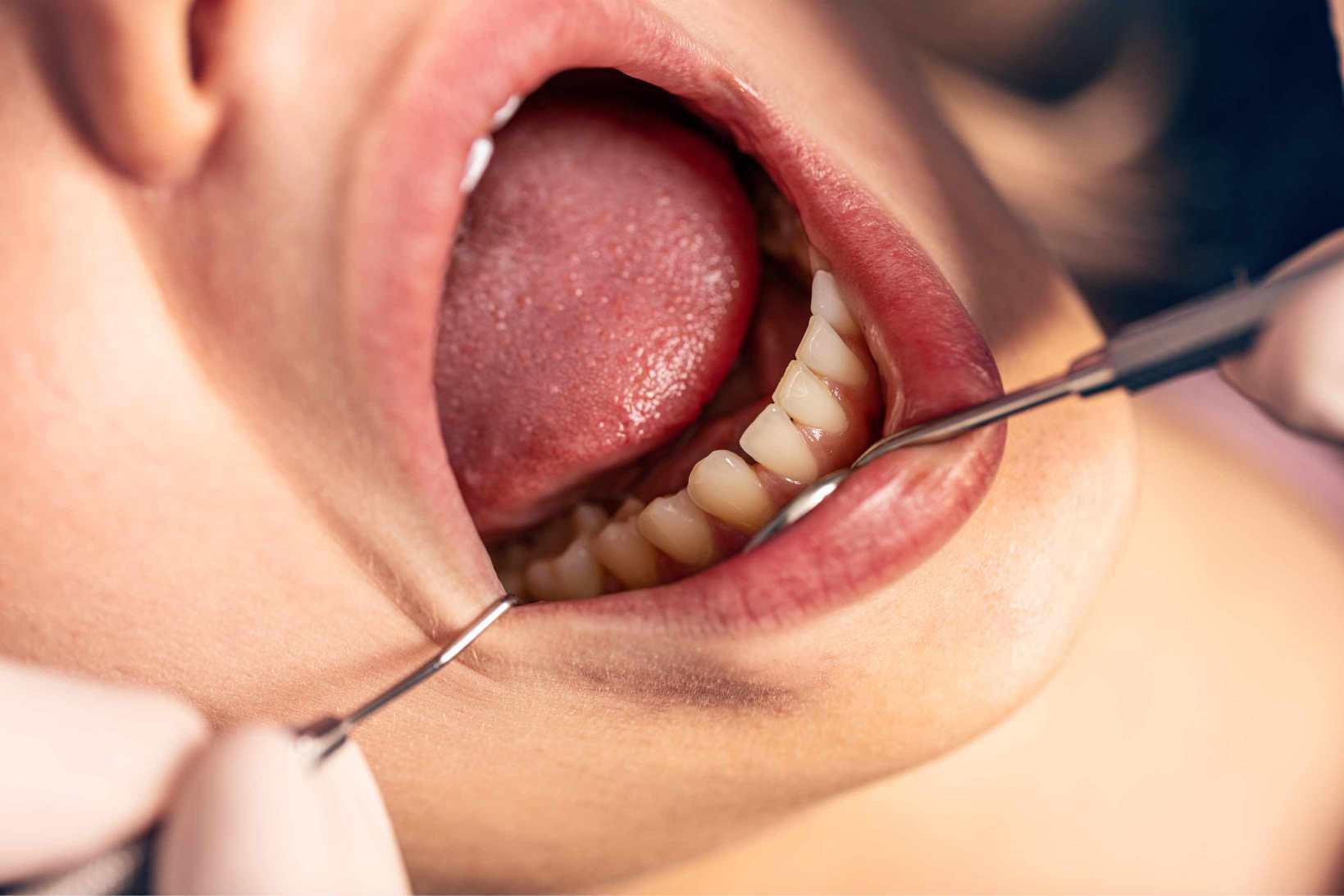
When people hear the words dental sealants, they often think about children’s dentistry. Sealants are commonly recommended for children and teenagers because they can help protect the grooves and pits of newly erupted permanent molars.
But here’s something many adults don’t realize: dental sealants are not necessarily just for kids.
Adults with deep grooves or pits in their back teeth may also be candidates for sealants, particularly when those areas are difficult to clean or have an increased risk of developing cavities.
If you’re interested in preventing cavities or protecting vulnerable teeth, a conversation with a dentist in Winter Springs, FL can help determine whether dental sealants are appropriate for you.
What Are Dental Sealants?
Dental sealants are thin protective coatings placed over the chewing surfaces of certain teeth.
The back teeth, especially molars and premolars can have natural grooves and pits where food particles and plaque may collect. A toothbrush may not always reach deeply into these areas.
A sealant creates a smooth protective barrier over the susceptible surface, making it easier to keep the tooth clean and helping reduce the opportunity for decay to develop in those grooves.
Sealants are considered a preventive dental treatment, rather than a treatment for an existing large cavity.
Are Dental Sealants Only for Children?
No. Adults can receive dental sealants too.
Children and teenagers are common candidates because sealants may be particularly useful when permanent molars have recently erupted and their chewing surfaces have deep grooves.
However, age alone does not determine whether a sealant is appropriate.
An adult may benefit from sealants when certain teeth have:
- Deep pits or grooves
- Areas that are difficult to clean
- A higher risk of cavities
- Healthy chewing surfaces suitable for sealing
- No existing decay that requires restorative treatment
Your dentist can examine your teeth and determine whether a sealant would provide meaningful protection.
Why Might an Adult Need Dental Sealants?
Adults can develop cavities just like children.
Even someone who has maintained good oral hygiene for years may have certain teeth that are more vulnerable because of their natural anatomy.
For example, a molar with particularly deep grooves can provide plaque and food particles with places to collect.
Adults may also face additional cavity-risk factors as they age, including changes in saliva flow, medications that contribute to dry mouth, dietary habits, or difficulty maintaining thorough oral hygiene.
Sealants aren’t a replacement for brushing, flossing, fluoride, or routine dental visits. Instead, they can be one additional tool in a personalized cavity-prevention strategy.
How Do Dental Sealants Help Prevent Cavities?
The chewing surfaces of molars are not completely flat. They contain grooves and pits that can be difficult to clean.
When bacteria and food debris remain in these areas, acids produced by bacteria can contribute to tooth decay.
A sealant covers susceptible grooves with a protective material, creating a smoother surface that is easier to keep clean.
According to the Centers for Disease Control and Prevention (CDC), dental sealants can prevent a significant proportion of cavities in the chewing surfaces of back teeth, making them an important preventive measure, particularly for children and teenagers.
However, adults can also benefit when their individual cavity risk and tooth anatomy make sealants appropriate.
What Happens When an Adult Gets Dental Sealants?
Getting a sealant is generally a straightforward dental procedure.
First, the tooth is cleaned and prepared. The dentist then places the sealing material over the targeted chewing surface and uses a curing light to harden it. The process typically does not require the removal of healthy tooth structure.
Your dentist will make sure the sealant covers the appropriate grooves and that your bite remains comfortable.
Because sealants are preventive rather than restorative, the tooth generally needs to be evaluated first to make sure there is no untreated decay or another problem that requires a different treatment.
Do Dental Sealants Hurt?
Dental sealant placement is generally comfortable and does not typically require drilling into healthy tooth structure.
The tooth is cleaned and prepared before the sealant material is applied.
For patients who are nervous about dental procedures, discussing concerns with the dental team beforehand can help make the appointment more comfortable.
If you have questions about whether sealants are appropriate for you, your dentist can explain the process before treatment begins.
How Long Do Dental Sealants Last?
Dental sealants are not considered permanent, but they can provide protection for years when properly placed and maintained. Over time, normal chewing and other factors can cause sealants to wear down or become damaged.
This is one reason regular dental examinations remain important.
During routine visits, your dentist can check whether a sealant is still intact and determine whether it needs repair or replacement.
Can Adults Get Sealants on Teeth That Already Have Fillings?
It depends on the condition and anatomy of the tooth.
Sealants are primarily intended to protect susceptible grooves and pits on otherwise suitable tooth surfaces. A tooth with an existing filling, significant decay, or another restoration may require a different approach.
Your dentist can examine the tooth and determine whether sealing part of the chewing surface is appropriate.
This is another reason not to assume that sealants are right or wrong based solely on age.
Are Dental Sealants Better Than Fillings?
Sealants and fillings serve different purposes.
Dental sealants are preventive. They are used to protect susceptible tooth surfaces before significant decay develops.
Dental fillings are restorative. They are used to repair a tooth after decay has damaged the tooth structure.
If a tooth already has a cavity, a sealant generally should not be viewed as a substitute for appropriate restorative treatment.
Your dentist can determine which treatment is appropriate after examining the tooth.
Who May Be a Good Candidate for Adult Dental Sealants?
You may want to ask your dentist about sealants if you:
- Have deep grooves in your molars
- Frequently develop cavities in back teeth
- Have difficulty cleaning certain chewing surfaces
- Have an increased risk of tooth decay
- Want additional protection for vulnerable teeth
- Have healthy tooth surfaces that may benefit from sealing
However, the decision should always be personalized.
A dentist in Winter Springs, FL can assess your current oral health, cavity risk, tooth anatomy, and existing dental work before recommending sealants.
How Can Adults Prevent Cavities Beyond Sealants?
Sealants are only one part of preventive dental care.
Adults can also protect their teeth by:
- Brushing twice daily with fluoride toothpaste
- Cleaning between teeth every day
- Limiting frequent sugary snacks and drinks
- Drinking water regularly
- Following recommended dental checkups
- Using fluoride treatments when recommended
- Addressing dry mouth concerns with a dental professional
- Replacing worn or damaged dental restorations when necessary
Your dentist can help develop a prevention plan based on your individual risk factors.
Dental Sealants in Winter Springs, FL
Dental sealants aren’t exclusively a treatment for children. Adults with susceptible molars may also benefit from this preventive option.
The important question isn’t simply “Am I too old for sealants?” Instead, it is “Do my teeth and cavity risk make sealants worthwhile?”
If you live in Winter Springs or nearby communities such as Oviedo, Casselberry, Chuluota, or Geneva, Collins Dental can evaluate your oral health and discuss preventive options that may help protect your smile.
If you want to find out whether dental sealants make sense for your smile, Book an appointment with Collins Dental. You can also explore our dental services to learn more about preventive and general dental care.
Conclusion
Dental sealants are commonly associated with children, but adults can receive them too.
They may be particularly useful for adults who have deep molar grooves, difficulty cleaning certain tooth surfaces, or an increased risk of cavities. However, sealants are not appropriate for every tooth or every patient.
A dental examination is the best way to determine whether sealants could provide meaningful protection for your teeth.
For patients searching for a dentist in Winter Springs, FL, Collins Dental can help you understand your cavity risk and explore preventive options designed around your individual oral-health needs.
Frequently Asked Question (FAQs)
1. Can adults get dental sealants?
Yes, adults can receive dental sealants when certain teeth have grooves or other characteristics that make them susceptible to cavities.
2. Are dental sealants worth it for adults?
They may be worthwhile for adults with increased cavity risk or deep grooves that are difficult to clean, depending on individual dental needs.
3. Do dental sealants prevent cavities?
Sealants can help protect susceptible chewing surfaces by covering grooves where plaque and food particles may collect.
4. How long do dental sealants last?
Sealants can last for years, but they should be checked during regular dental visits because they can wear or become damaged.
5. Where can adults get dental sealants in Winter Springs, FL?
Collins Dental provides preventive and general dental care in Winter Springs, FL, including evaluation for treatments that may help prevent tooth decay.